Homeowner News and Education
Was Amendment 3 Good for Florida? Tax Savings and the Impact on Local Services
By Alexandra Arena-Gil | DomoNova |
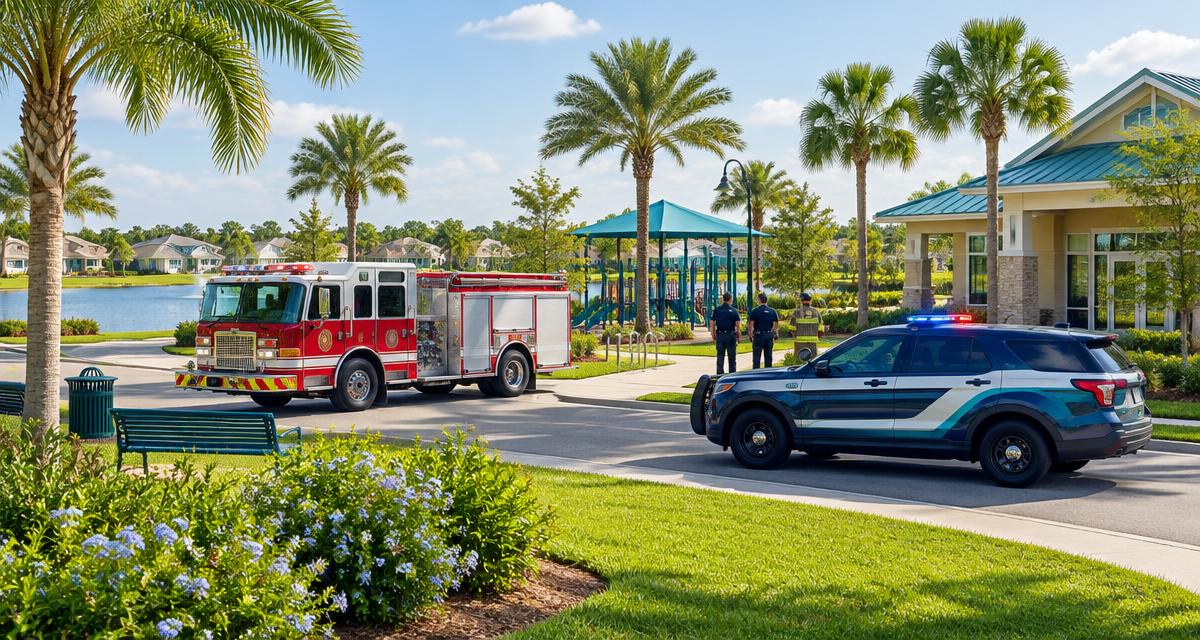
Are you sure Amendment 3 was good for Florida? Do you understand how services in our Cities and Counties will be affected?
Saving money on property taxes can provide meaningful relief. But we also need to understand how our communities will maintain their services if local governments receive less revenue.
Preliminary results reviewed on November 4 indicate that Amendment 3 received approximately 62% support, exceeding the 60% required for approval. Final certification is still pending. [1]
The conversation now needs to include both sides: the benefits for eligible property owners and the budget decisions our communities will face.
What Benefits Does It Provide for Property Owners?
Amendment 3 provides for a homestead exemption of $150,000 in 2027 and $250,000 in 2028, applicable to non-school property taxes. It also establishes different conditions for new Florida residents, including a waiting period before they qualify for the expanded exemption. [2]
These amounts represent property value exempt from taxation. They are not a check or the amount each homeowner will save.
The amendment also reduces the annual assessment increase limit for non-homestead properties from 10% to 5% for the applicable taxes. That limit does not mean the total tax bill can increase by no more than 5%.
The exemption and assessment-limit changes described here do not apply to school property taxes. [2]
What Happens to Revenue for Cities and Counties?
Property taxes help fund local services. When projected revenue decreases, local governments must review spending, priorities, and funding sources.
Before the election, Orange County estimated the following reductions in property tax revenue: [3]
| Year | Estimated Revenue Reduction |
|---|---|
| 2027 | $165 million |
| 2028 | $275 million |
These are projections for Orange County, not approved budget cuts or figures that apply to every County in Florida.
The County warned that it would need to evaluate spending, service levels, and other legally available revenue sources.
Police, Firefighters, and Emergency Services: How Will They Be Funded?
Public safety requires personnel, training, vehicles, equipment, and maintenance.
The amendment permits local property tax revenue to support law enforcement, fire services, and emergency medical services. However, allowing that spending does not guarantee a specific funding amount for each department. [2]
The question we need to ask is how those needs will be funded in upcoming budgets.
It would be irresponsible to claim that stations will close, patrols will decrease, or response times will increase without local decisions and evidence supporting those claims.
Budget pressure deserves attention. Specific service cuts should not be treated as a certainty.
What About Other Community Services?
We should also pay attention to decisions involving roads, stormwater systems, parks, libraries, and community programs.
When one budget area receives priority, others may face reviews, delayed projects, or adjustments. The effects will depend on local decisions and how each service is funded.
Not every service relies on the same revenue source or will experience the same impact.
Will the State Replace the Lost Revenue?
This amendment does not guarantee replacement funding.
The Florida Association of Counties explains that a proposed state funding mechanism considered earlier was removed from the measure. [2]
That does not prevent other assistance from being approved in the future. It means we should not assume that replacement money is already guaranteed.
Could Other Fees or Charges Be Introduced?
That is a possibility to evaluate, not an automatic consequence.
Local governments could consider efficiencies, changes in priorities, delayed projects, or legally permitted revenue sources.
If additional fees are proposed, residents should examine who would pay them, how much they would cost, and how they might affect household savings.
It would also be inaccurate to claim that everyone will simply pay the same amount through another charge. To evaluate the actual benefit, we need to consider both the household’s total costs and the services it receives.
Questions We Should Ask Now
- How much revenue does our City or County estimate it will lose?
- Which services will be protected, and how will they be funded?
- What efficiencies can be implemented?
- Will any additional fees be proposed?
- Which projects could be delayed?
- When can residents participate in budget hearings?
I Want to Save Money and Live in a Well-Served Community
I respect those who supported this amendment because they wanted financial relief for their families. My concern is how we achieve that relief while maintaining the services we need.
As a real estate professional, I believe that conversations about housing should also include safety, maintenance, and quality of life.
I want to save money on my home and feel safe in my community. Both deserve a place in the same conversation.
Stay informed with DomoNova: clear information about housing, financing, and the changes affecting our communities.
Amendment 3 guide before the election
Sources
- [1] Florida Election Watch: preliminary Amendment 3 results
- [2] Florida Association of Counties: property tax reform summary
- [3] Orange County Government: September 8, 2026, budget announcement
Editorial notice: This article is for informational purposes only and is not legal, tax or political advice. Election results are preliminary until certified. Revenue figures are estimates, and local budget decisions have not been confirmed.
DomoNova | Making Real Estate and Mortgages Simple